Algorithmic Personalization's Influence on Session Lengths Across Online Wagering Platforms
Written by Greta Berger · Aug 25, 2026
Algorithmic Personalization's Influence on Session Lengths Across Online Wagering Platforms
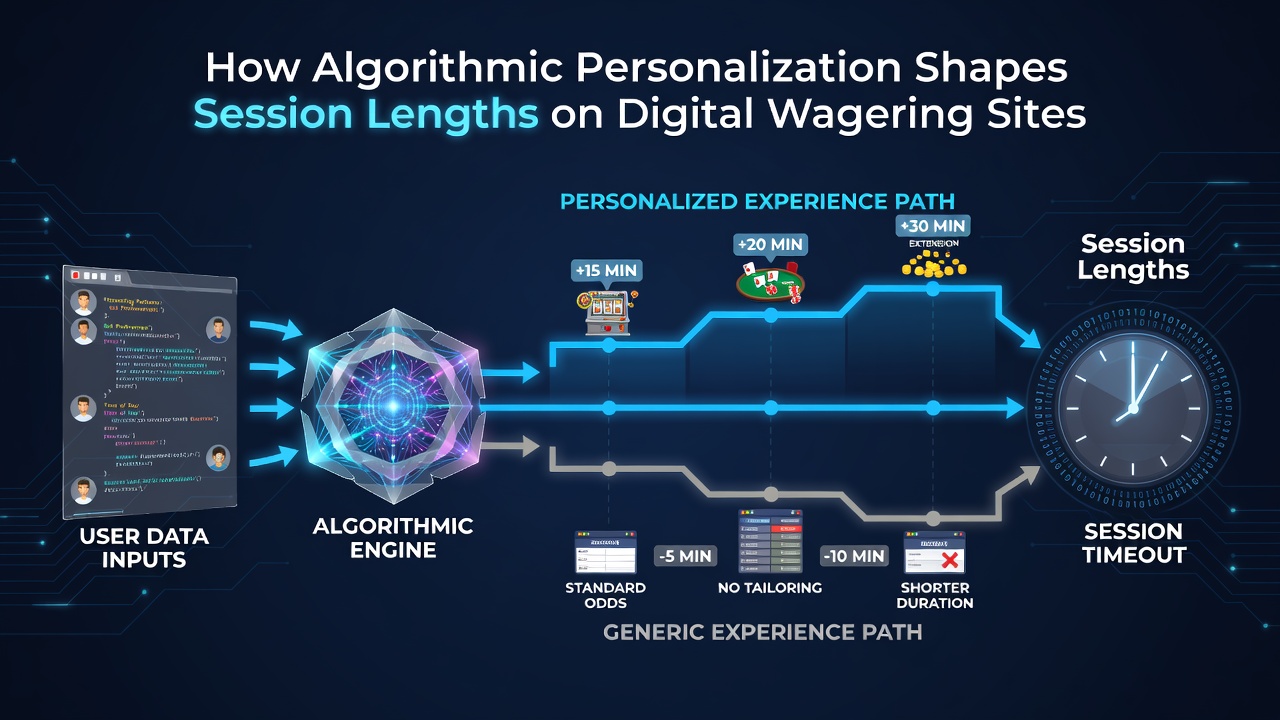
Digital wagering platforms rely on algorithmic personalization to adjust content delivery based on individual user patterns, and this process directly affects how long sessions last. Data from various operators shows that tailored recommendations for games, bonuses, and promotions keep participants engaged for extended periods compared to generic interfaces. Researchers at multiple institutions have tracked these effects through behavioral logs collected across thousands of accounts, revealing consistent increases in time spent when algorithms match offerings to past activity.
Operators collect information on betting frequency, preferred game types, and response to incentives, then feed that into machine learning models. These models predict what a user might interact with next and surface those options immediately. According to reports from the Nevada Gaming Control Board, platforms using such systems recorded average session extensions of 12 to 18 minutes during monitored periods in 2025. The models update in real time, so a player who switches from slots to table games receives new suggestions within seconds rather than minutes.
Data Collection and Real-Time Adjustments
Session length metrics improve when algorithms incorporate live signals such as win streaks, deposit timing, and navigation paths. One analysis of European market data found that users who encountered personalized jackpot alerts stayed active 25 percent longer than those who saw standard promotions. The same study noted that exit prompts, when timed to moments of high engagement, reduced early departures by noticeable margins. Platforms refine these triggers daily, testing variants across segmented user groups to identify which combinations produce the strongest retention results.
Geographic differences appear in how regulations shape these systems. Australian regulatory bodies require clear disclosure of algorithmic influences on game ordering, while Canadian provincial frameworks focus more on responsible gaming limits that interact with personalization engines. In both regions, operators must maintain records showing that session data informs adjustments without violating fairness standards. Figures released in August 2026 from an industry consortium indicated that markets with stricter transparency rules still experienced session growth, though at slightly lower rates than less regulated environments.
Behavioral Patterns and Retention Mechanisms
Users often follow predictable loops once personalization begins. A bettor who favors high-volatility slots receives frequent notifications about similar titles, while someone who prefers live dealer tables sees more of those options after initial selections. This matching reduces the time spent searching and increases the proportion of time spent playing. Observers note that platforms track micro-behaviors such as hover times on certain buttons or repeated views of pay tables, then incorporate those details into subsequent recommendations.

Case examples from operator reports illustrate the pattern. One platform observed that players who received three consecutive tailored bonus offers extended their sessions by an average of 31 minutes, whereas control groups without personalization showed no comparable change. Another dataset from North American sites revealed that evening sessions lengthened more than daytime ones when algorithms emphasized social features like leaderboards. These outcomes hold across age groups, although younger users responded faster to visual customizations while older cohorts reacted more to reward structures.
Regulatory and Technical Considerations
Technical infrastructure supports these capabilities through large-scale data pipelines and A/B testing frameworks. Companies maintain separate models for different regions to comply with local rules on data usage and advertising. A 2026 technical review published by the Journal of Gambling Studies examined 14 major platforms and confirmed that personalization layers add measurable complexity to session management without altering core game mathematics. The review highlighted that session length increases occur primarily through content sequencing rather than changes to payout percentages.
Industry groups such as the World Lottery Association have published guidelines urging operators to balance personalization with player protection tools. These guidelines recommend periodic audits of algorithmic outputs to ensure they do not override self-exclusion settings or deposit limits. Data from multiple jurisdictions shows that when such safeguards remain active, personalization still extends sessions but within boundaries set by user controls.
Conclusion
Algorithmic personalization continues to shape session lengths on digital wagering sites through continuous data analysis and adaptive content delivery. Evidence from regulatory filings, academic examinations, and operator metrics demonstrates measurable extensions in engagement times across varied markets. As systems evolve, the interplay between personalization techniques and session outcomes remains a central focus for both platforms and oversight bodies seeking to maintain operational standards.