Digital Wagering Platforms Show Distinct Patterns Across Categories in 2026 Analysis
Written by Otto Simmons · Nov 10, 2026
Digital Wagering Platforms Show Distinct Patterns Across Categories in 2026 Analysis
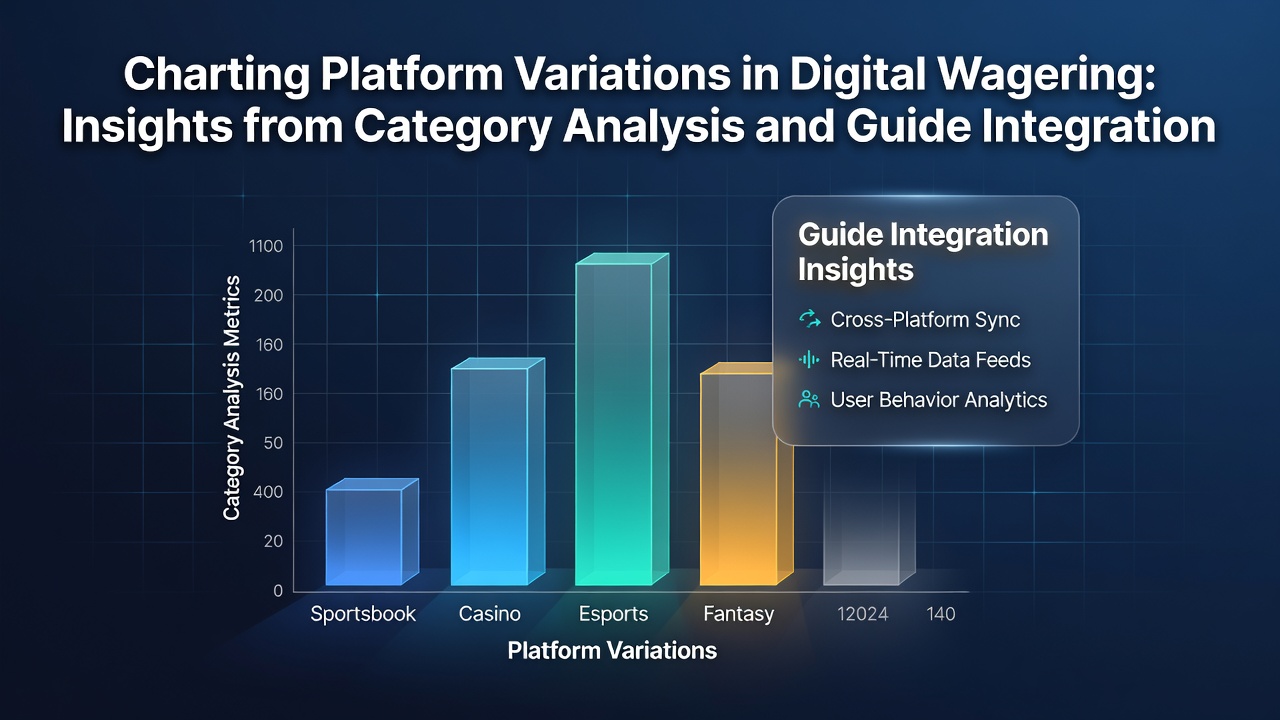
Digital wagering platforms continue to diverge in structure and features based on category focus, with November 2026 data highlighting measurable differences in user pathways across sports betting, casino-style games, and poker environments. Researchers tracking these platforms note that category analysis reveals consistent patterns in how operators segment offerings, integrate payment systems, and present regulatory information to participants in multiple jurisdictions.
Category Breakdowns Reveal Platform Differences
Platforms specializing in sports betting often prioritize real-time data feeds and live event integration, whereas casino-focused sites emphasize slot libraries and table game variations, and poker rooms concentrate on tournament scheduling along with player matching algorithms. Data from industry reports shows these distinctions affect everything from mobile responsiveness to bonus structures, with operators tailoring interfaces to match the primary activity type rather than attempting uniform designs across all categories.
Analysis conducted through 2026 indicates that sports betting platforms allocate more resources to odds display customization and statistical overlays, while casino platforms invest heavily in visual asset libraries and progressive jackpot tracking. Poker platforms, by contrast, maintain emphasis on hand history tools and multi-table management features. Those who've examined these variations across regions observe that such specialization correlates with higher retention rates within each category when platforms avoid diluting their core interfaces.
Guide Integration Supports User Navigation
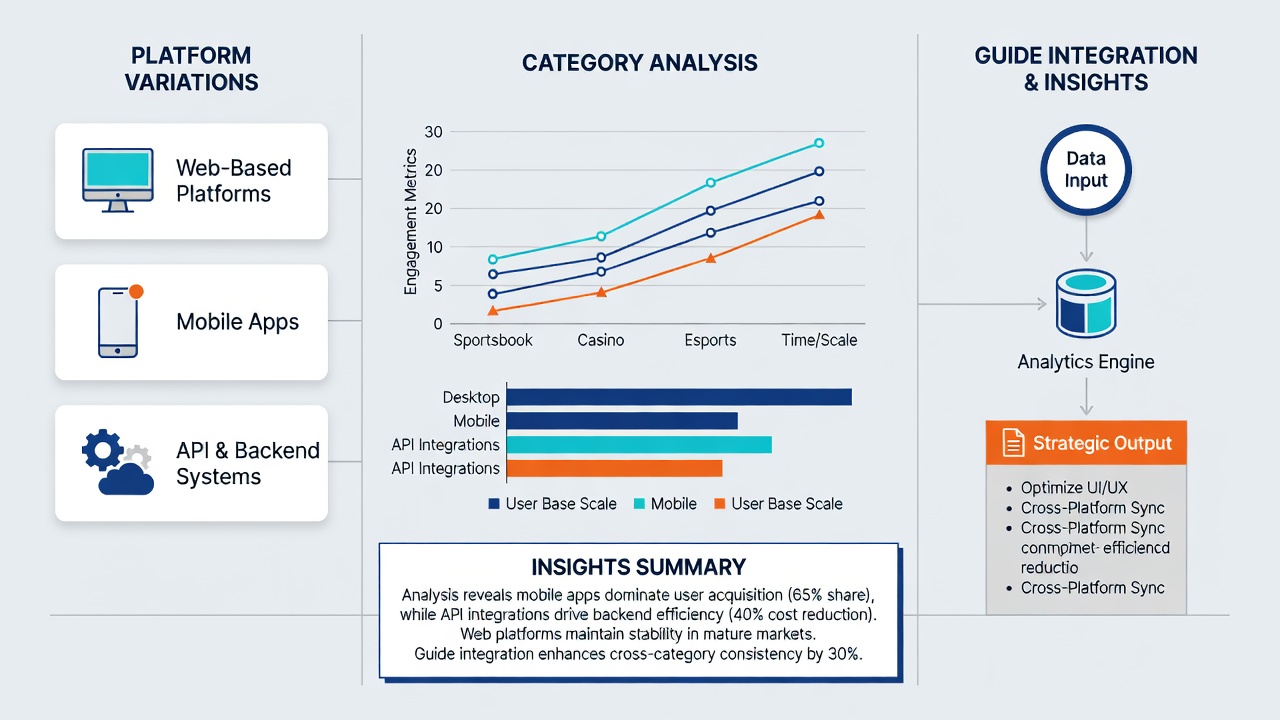
Integrated guides appear more frequently on platforms that handle multiple wagering categories, serving as bridges between different activity types. These resources typically include rule explanations, strategy outlines, and regulatory summaries tailored to specific game formats. Evidence from platform audits suggests that seamless guide placement within category sections reduces navigation friction, particularly for users transitioning between sports betting and casino games on the same site.
Operators in regulated markets have adopted standardized guide formats that reference local licensing requirements without disrupting the betting flow. One study revealed that platforms embedding contextual help directly into category pages see improved compliance metrics compared with those relying on separate resource centers. Integration methods vary, yet the most effective implementations connect guide content to active betting sessions through pop-up references or sidebar prompts rather than forcing users to exit their current category view.
Regional Platform Adaptations in Late 2026
November 2026 updates from North American regulators show platforms adjusting category presentations to align with state-specific rules on game types and promotional offers. Similar adjustments appear in European markets where operators differentiate between slots, table games, and sports products to meet varying tax and licensing thresholds. Platforms operating across borders maintain separate category modules that reflect these regional constraints while preserving core functionality.
Industry organizations tracking platform evolution report that category-specific analysis helps identify which features transfer effectively between regions and which require localized redesign. For instance, live dealer integrations common in casino categories have expanded into certain sports betting environments in select markets, whereas poker platforms have introduced hybrid formats that blend tournament structures with casino-style side bets in jurisdictions permitting such combinations.
Analysis Methods and Data Patterns
Category analysis relies on metrics such as session duration per game type, average bet size distributions, and feature utilization rates collected through platform telemetry. Researchers comparing these figures across operators note clear separations between high-volume casino categories and the more event-driven patterns typical of sports betting. Guide integration effectiveness gets measured through click-through rates and completion metrics on tutorial sequences embedded within each category.
Those studying platform variations emphasize that successful integration depends on matching guide complexity to the category's inherent decision points, with poker environments requiring deeper strategic resources than simpler slot-based sections. Data indicates platforms that refresh guide content in response to rule changes or new game releases maintain stronger user engagement across all categories throughout 2026.
Conclusion
Platform variations in digital wagering continue to reflect category-specific demands, with analysis showing how operators refine interfaces and embed guides to match user expectations in sports, casino, and poker segments. November 2026 observations confirm that targeted integration of resources supports navigation without compromising the distinct characteristics of each wagering type. Regulatory bodies and industry groups across multiple regions provide ongoing data that informs these developments, enabling platforms to adapt category presentations while maintaining compliance and operational clarity.