Mapping Transnational Funds Movement in Digital Entertainment Platforms and Regulatory Adherence Frameworks
Written by Greta Berger · Oct 27, 2026
Mapping Transnational Funds Movement in Digital Entertainment Platforms and Regulatory Adherence Frameworks
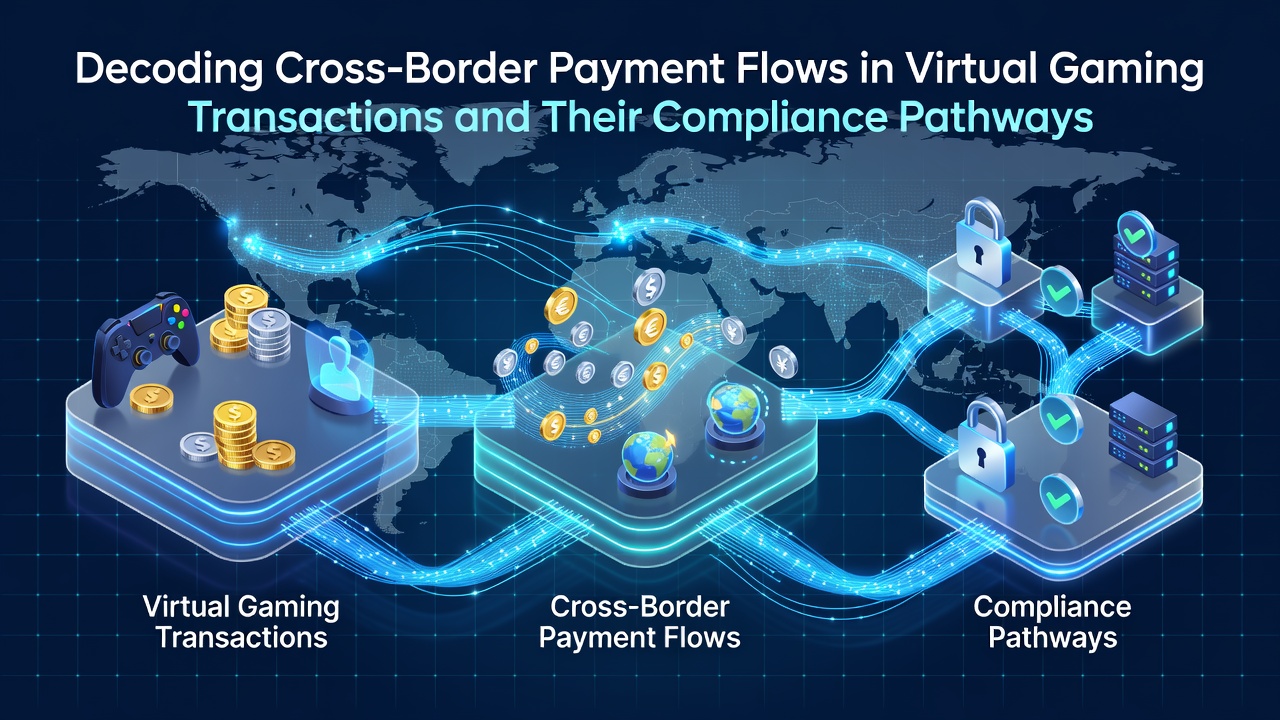
Virtual gaming transactions often span multiple jurisdictions because players access platforms hosted in one country while using payment rails that route through banks and processors in others, and this creates layered flows that regulators track through transaction monitoring systems. Data from international bodies shows that these movements frequently involve digital wallets, cryptocurrency exchanges, and traditional card networks, each carrying distinct compliance obligations under anti-money laundering rules that vary by region. Observers note that operators must reconcile these differences to avoid disruptions, especially as volumes grow in emerging markets where local licensing requirements intersect with global standards.
Core Structures of Cross-Border Flows
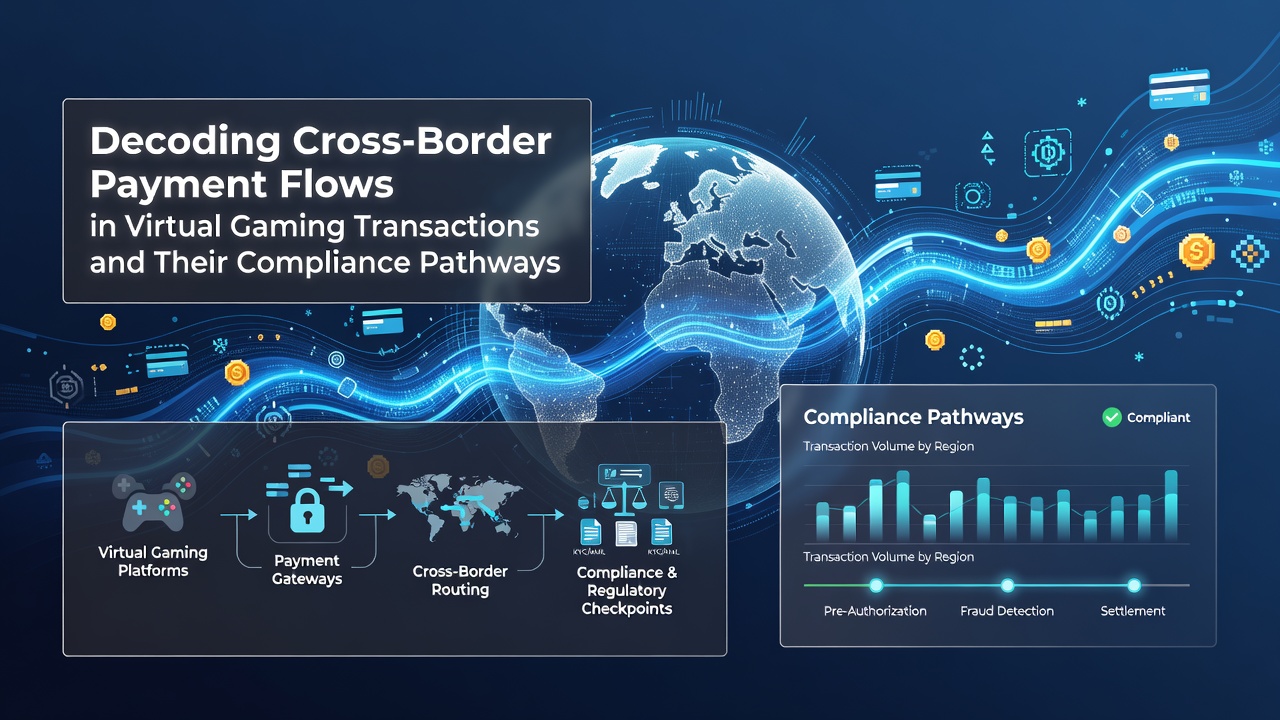
Payment initiation typically begins when a user deposits funds via a local method such as a bank transfer or e-wallet, after which the transaction passes through correspondent banking relationships or specialized gaming payment gateways that handle currency conversion and settlement across borders. Research indicates that many platforms integrate automated systems to flag high-value transfers or patterns suggesting structuring, while data from the Bank for International Settlements reveals that settlement times can range from instant for certain digital assets to several business days for legacy wire systems. Those who study these networks point out that virtual gaming adds complexity because in-game purchases or tournament entries can mask underlying player-to-player transfers that fall under virtual asset service provider rules in multiple countries.
Regulatory Pathways Across Jurisdictions
Compliance starts with customer due diligence that collects identity documents and verifies source of funds, then extends to ongoing screening against sanctions lists maintained by bodies like the United Nations and national agencies. In October 2026 several jurisdictions are scheduled to implement updated travel rule requirements that mandate sharing originator and beneficiary information for transfers above defined thresholds, according to reports from financial intelligence units in Asia and North America. Operators often route transactions through licensed money transmitters or partner with institutions that maintain robust know-your-customer programs, and this approach reduces exposure while allowing platforms to demonstrate adherence during audits. Experts have observed that some markets require local entity registration even for remote services, whereas others accept foreign licenses provided the operator maintains a compliance liaison in the target region.
Technology and Monitoring Tools
Blockchain analytics platforms now supplement traditional monitoring by tracing cryptocurrency paths that appear in gaming ecosystems, and studies from academic research groups show these tools improve detection rates for suspicious activity when integrated with real-time risk scoring. Payment processors deploy machine learning models that analyze velocity, geographic mismatches, and device fingerprints to flag anomalies before settlement completes, while regulators encourage information sharing through secure portals that connect operators with financial crime units. One documented case involved a Southeast Asian gaming firm that implemented enhanced screening after a series of rapid cross-border deposits triggered alerts, resulting in the identification of previously undetected layering attempts without halting legitimate player activity.
Yet the landscape continues to shift because new payment rails such as central bank digital currencies are entering testing phases in several economies, and these introduce fresh questions around interoperability and data privacy that compliance teams must address. Industry associations in Europe and Australia have published guidance documents that outline best practices for integrating these emerging channels while preserving audit trails required by local laws.
Challenges in Implementation
Fragmented rules create operational friction when a single transaction touches multiple regulatory regimes, and firms respond by maintaining jurisdiction-specific compliance playbooks that detail required documentation and reporting timelines. Currency volatility adds another layer because exchange rate fluctuations between deposit and settlement can affect reported values, prompting some operators to use hedging instruments that themselves require disclosure under financial regulations. Researchers discovered through case reviews that smaller platforms sometimes struggle with the cost of sophisticated monitoring software, leading them to outsource screening functions to third-party providers that specialize in gaming verticals and maintain certifications recognized across borders.
Conclusion
Cross-border payment flows in virtual gaming rest on interconnected systems that demand coordinated compliance efforts spanning identity verification, transaction monitoring, and regulatory reporting, and successful operators align their processes with evolving international standards while adapting to local requirements. As October 2026 approaches, entities preparing for enhanced travel rule obligations continue to refine their data-sharing protocols and technology stacks to maintain seamless operations across markets. The frameworks in place reflect ongoing collaboration between regulators, financial institutions, and platform operators, each contributing to pathways that balance player access with safeguards against illicit activity.