Navigating RNG Certification Protocols in International Online Gambling Jurisdictions
Written by Greta Berger · Aug 22, 2026
Navigating RNG Certification Protocols in International Online Gambling Jurisdictions
Random number generator systems form the backbone of fairness in digital wagering platforms worldwide, and certification processes vary significantly across jurisdictions yet share core testing methodologies that independent laboratories apply consistently. Observers note that platforms operating in multiple regions must navigate overlapping requirements from bodies such as the Nevada Gaming Control Board and the Malta Gaming Authority, each of which mandates specific statistical thresholds before issuing operational approvals. Data from industry reports indicate that these certifications typically involve millions of simulated outcomes to verify true randomness, with failure rates remaining below one percent in properly implemented systems.
Core Testing Methodologies Applied Globally
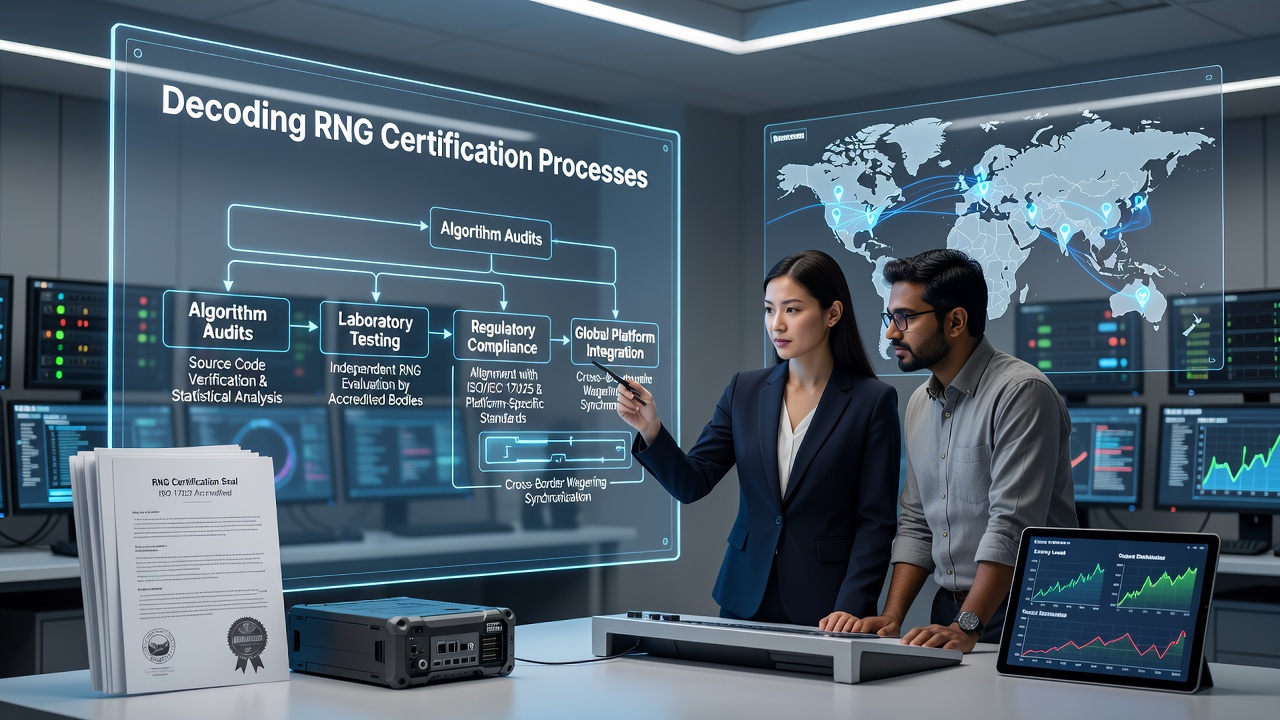
Independent labs conduct RNG evaluations using a combination of statistical suites including Diehard, NIST, and custom chi-square analyses that detect any deviation from expected uniform distribution across number sequences. Researchers at these facilities run continuous streams of output through batteries of tests designed to expose bias, periodicity, or predictability, and platforms receive certification only after passing all phases without exception. Those who've studied the process know that hardware-based RNGs often receive additional scrutiny compared to software implementations because physical components can degrade over time, prompting periodic re-testing schedules that regulators enforce at intervals of six to twelve months.
Regional Variations in Approval Standards
Jurisdictions in North America emphasize hardware security modules and real-time monitoring capabilities, whereas European frameworks place greater weight on software source code audits and ongoing compliance reporting. Australian regulators, for instance, require integration with centralized reporting systems that feed live performance metrics directly to oversight agencies, creating an additional layer of transparency that differs from the self-reporting models common in parts of Asia. In August 2026 several international operators plan to align their RNG architectures with emerging ISO/IEC 27001 updates that introduce enhanced encryption standards for seed generation, a move expected to standardize cross-border verification procedures further.
Certification timelines range from four to sixteen weeks depending on the complexity of the game portfolio and whether the platform uses proprietary algorithms or licensed third-party solutions. Labs such as Gaming Laboratories International maintain global footprints that allow simultaneous testing for multiple regulatory frameworks, reducing duplication for operators who submit the same RNG codebase to several authorities in parallel.
Role of Independent Laboratories and Standards Bodies
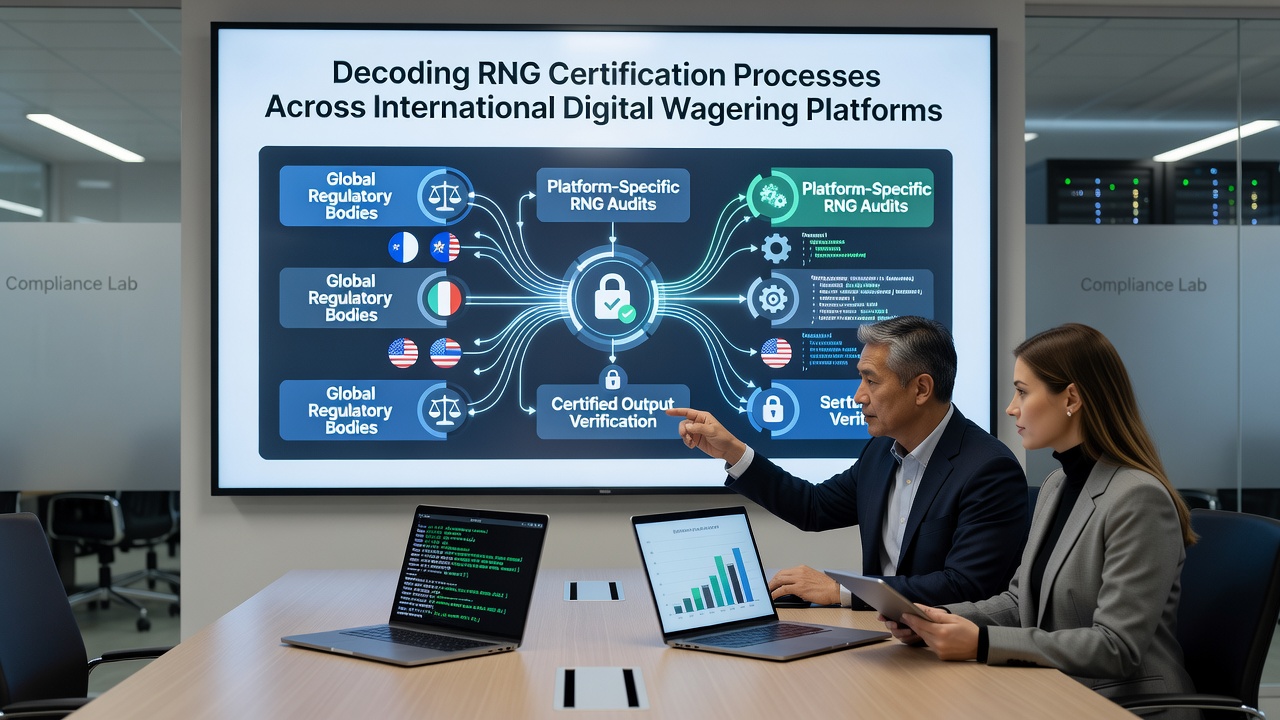
Accredited testing houses serve as the neutral arbiters that translate regulatory language into repeatable technical procedures, and their reports carry legal weight when submitted to licensing authorities. According to Nevada Gaming Control Board guidelines, RNG submissions must demonstrate that no external input can influence outcome sequences once a game round begins. Similar language appears in documentation from other regulators, underscoring the universal requirement for isolation between game logic and external data feeds.
Additional scrutiny applies to live dealer integrations where physical card shufflers or roulette wheels interface with digital RNG streams, creating hybrid systems that demand both mechanical and algorithmic validation. Experts have observed that convergence toward common technical standards has accelerated since 2024, driven partly by mutual recognition agreements between certain jurisdictions that accept each other's test reports under defined conditions.
Future Developments and Cross-Border Harmonization
Academic studies published in 2025 highlighted measurable improvements in detection rates for subtle biases when machine learning models supplement traditional statistical tests, prompting several regulators to explore pilot programs that incorporate these techniques into routine audits. Platforms preparing for August 2026 deadlines are already updating their documentation to reflect new seed entropy requirements that address vulnerabilities identified in older pseudo-random implementations. Those who track industry trends note that smaller operators without dedicated compliance teams increasingly rely on certified white-label solutions that arrive pre-approved across multiple territories.
Conclusion
The landscape of RNG certification continues to evolve as technology and regulatory expectations advance in tandem, with laboratories, operators, and oversight bodies maintaining a continuous feedback loop that refines testing protocols. Evidence suggests that platforms investing early in robust certification frameworks position themselves for smoother market entry across borders, while those attempting shortcuts face repeated rejections that delay revenue generation. Data indicates the overall process, though rigorous, remains accessible to operators who engage qualified testing partners from the outset.