Patterns of Cryptocurrency Integration Across Digital Platform Ecosystems
Written by Carlo Simon · Nov 23, 2026
Patterns of Cryptocurrency Integration Across Digital Platform Ecosystems
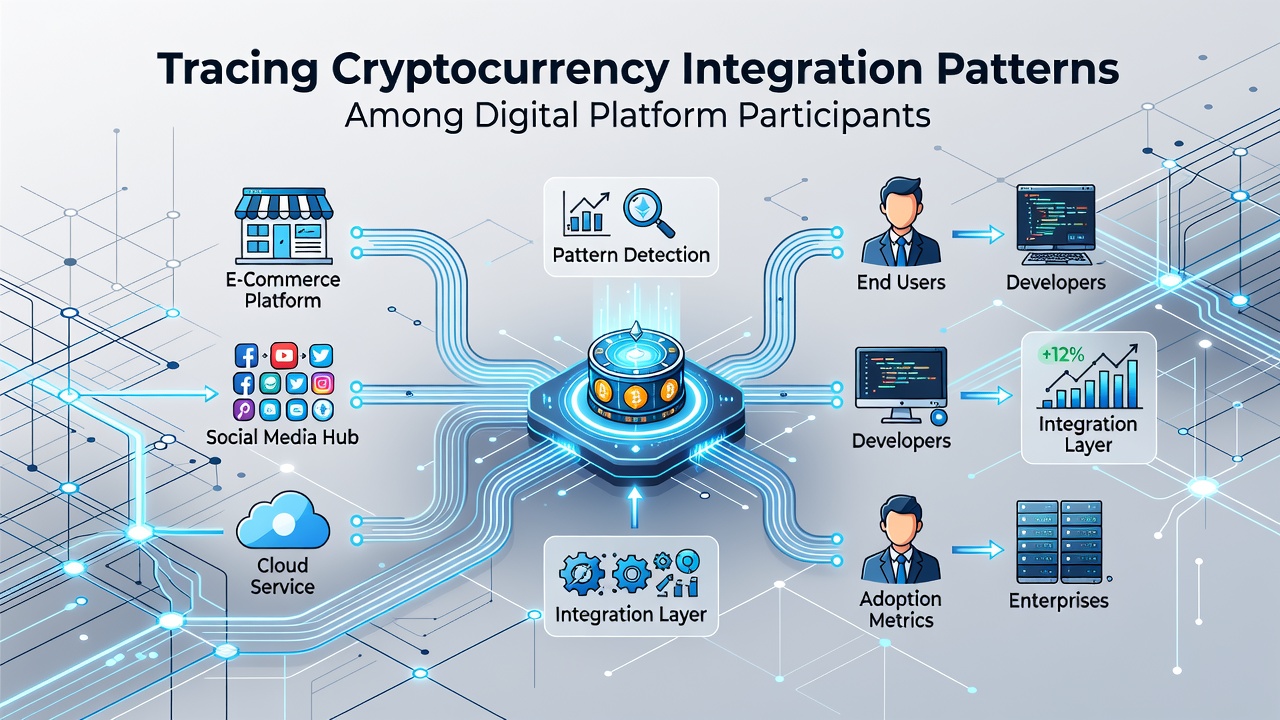
Digital platforms have incorporated cryptocurrency mechanisms at varying rates since the early 2010s, with participants ranging from individual users to enterprise operators adopting blockchain-based tools for transactions and record-keeping. Researchers tracking these developments note distinct patterns in how wallets, smart contracts, and decentralized ledgers connect to existing payment rails and user interfaces.
Adoption Curves Among Different User Groups
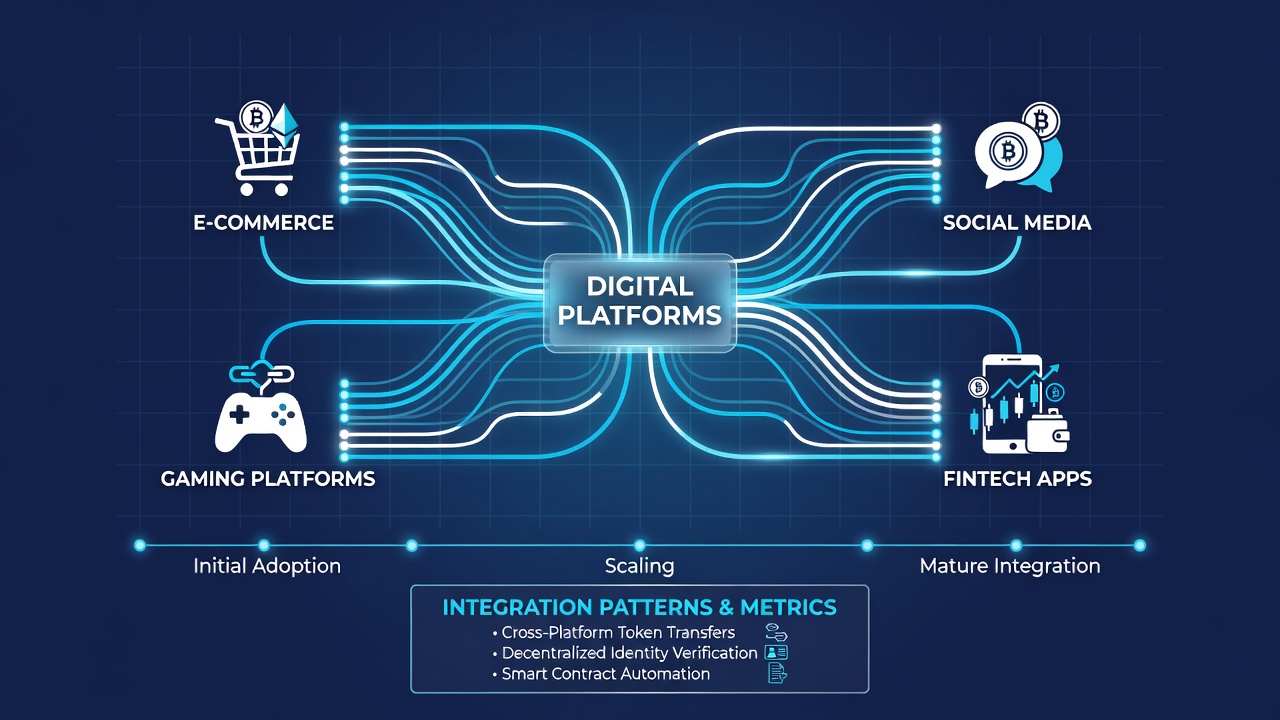
Platform participants in financial services sectors began integrating cryptocurrency options around 2014, while social media and content-sharing sites followed several years later. Data from regulatory filings show that by 2023, over 15 percent of surveyed digital service providers in North America accepted at least one major cryptocurrency for premium features or subscriptions. European platforms moved more cautiously, with integration rates reaching similar levels only after updated directives from the European Central Bank took effect in 2025.
Those studying user behavior observe that retail participants often start with simple wallet connections for payments, then progress to more complex uses such as staking or decentralized application interactions. Enterprise participants, by contrast, tend to implement custody solutions and compliance layers before enabling any on-platform crypto activity. A report issued by the Australian Securities and Investments Commission in late 2025 documented this staged approach across multiple industry verticals.
Technical Integration Methods Observed in 2026
Common patterns include API bridges that link traditional databases to public blockchains, allowing real-time settlement without full migration of core systems. Developers frequently employ stablecoin rails for cross-border transfers because volatility concerns decrease when value remains pegged to established currencies. November 2026 saw several platforms announce expanded support for these stablecoin channels following updates to settlement protocols in Canada and Singapore.
Another recurring method involves embedding non-custodial wallet functionality directly into mobile applications, so users retain private keys while the platform handles only transaction routing. Academic analyses from the University of Toronto’s blockchain research group have mapped these choices across hundreds of deployed applications, revealing that hybrid models combining custodial and non-custodial elements appear in roughly 40 percent of cases examined between 2024 and 2026.
Regional Variations in Implementation
North American platforms have emphasized speed of transaction finality and integration with existing banking partners, resulting in widespread use of layer-two scaling solutions. Asian markets show heavier reliance on centralized exchange partnerships for on-ramps and off-ramps, with regulatory sandboxes in jurisdictions such as Japan and South Korea shaping the pace of rollout. In Latin America, participants often prioritize remittance use cases, leading to higher volumes of peer-to-peer transfers compared with other regions.
Observers tracking compliance patterns note that platforms operating under multiple regulatory regimes frequently maintain separate ledgers or compartmentalized services to satisfy differing reporting requirements. This modular approach reduces the risk of single-point regulatory conflicts while still allowing participants to move value across borders.
Security and Verification Practices
Integration frequently incorporates multi-signature requirements and time-locked contracts to limit exposure during high-volume periods. Platform operators have adopted automated monitoring tools that flag unusual wallet activity before it reaches settlement stages. Industry reports compiled by the Blockchain Association indicate that platforms using these layered verification steps experienced fewer reported incidents of unauthorized transfers during the 2025 calendar year.
Participants also rely on third-party audits of smart contract code, with results published prior to mainnet deployment. These audits cover both the initial integration and subsequent upgrades, creating a documented trail that regulators and users can review.
Conclusion
Tracing cryptocurrency integration reveals consistent patterns of incremental adoption, regional adaptation, and layered technical safeguards. Platform participants continue to refine these approaches as new protocols and regulatory frameworks emerge, with data collection efforts expanding to capture metrics on transaction velocity and wallet retention. Continued observation of these trends provides a factual basis for understanding how digital ecosystems incorporate decentralized technologies over time.