Shifting Regional Gambling Licenses Reshape Digital Platform Selections Worldwide
Written by Carlo Simon · Aug 27, 2026
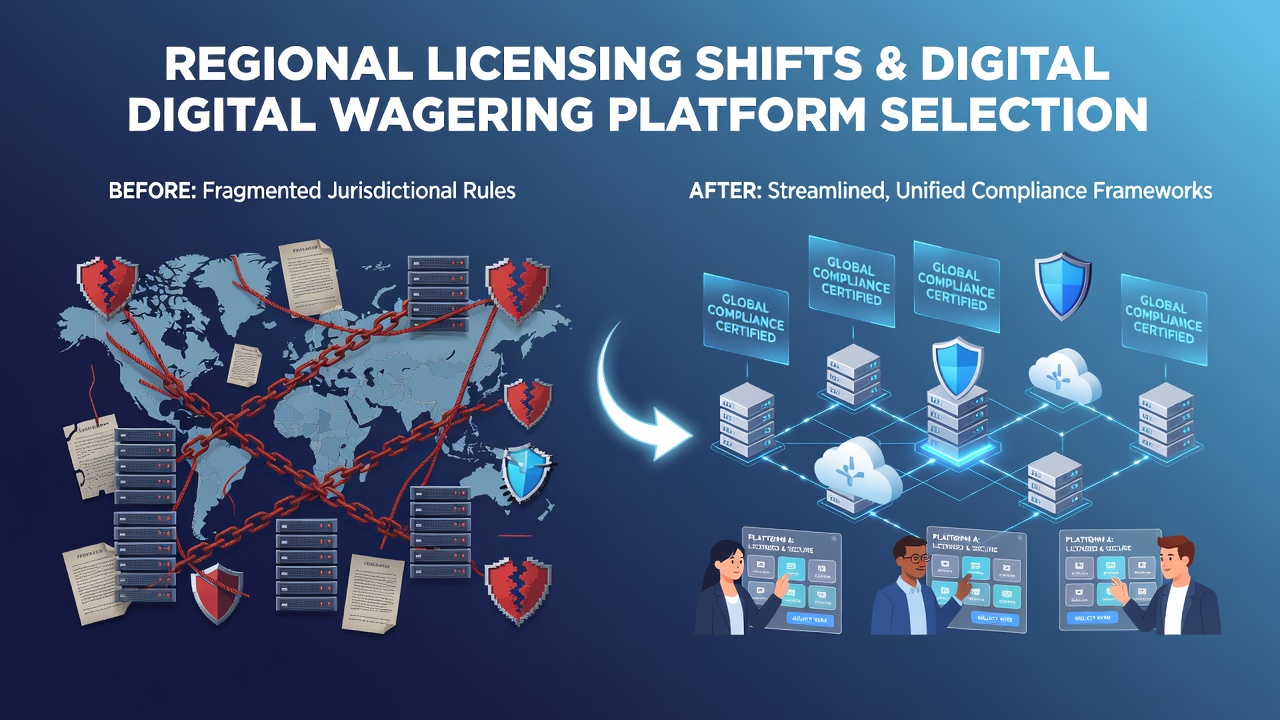
Shifting Regional Gambling Licenses Reshape Digital Platform Selections Worldwide
Regional licensing frameworks continue to evolve across multiple continents and those shifts directly influence how operators and users approach digital wagering platform selection, with new rules taking effect in several key markets during August 2026. Data from industry reports show that platforms must now secure jurisdiction-specific approvals before offering services, which creates layered compliance requirements that alter selection criteria for both providers and participants.
North American Regulatory Adjustments Drive Platform Compliance Strategies
State-level changes in the United States and provincial updates in Canada have introduced fresh licensing pathways that operators evaluate when choosing where to expand digital offerings. The New Jersey Division of Gaming Enforcement released figures indicating a 22 percent rise in approved remote gaming licenses between 2025 and 2026, while Canadian provinces such as Ontario and British Columbia reported similar growth in certified platforms according to the Canadian Gaming Association. Operators now weigh factors like application timelines, fee structures, and ongoing reporting obligations when deciding which regions to prioritize for platform launches.
These adjustments mean platforms often undergo separate audits and technical reviews for each jurisdiction, which extends development cycles yet also provides clearer legal protections once approval arrives. Observers note that companies frequently select platforms already pre-certified in multiple North American markets to reduce redundant testing costs and accelerate time to market.
European and Australian Frameworks Introduce New Selection Variables
European Union member states outside the United Kingdom continue refining their licensing models, with Malta and Sweden updating remote gambling directives that took partial effect in mid-2026. Australian authorities through the Australian Communications and Media Authority have similarly tightened cross-border operator requirements, forcing platforms to demonstrate localized server infrastructure and responsible gaming tools before receiving approval. Research from the Australian Gambling Research Centre highlights that these infrastructure mandates now rank among the top three decision factors for operators selecting which digital platforms to deploy in the region.
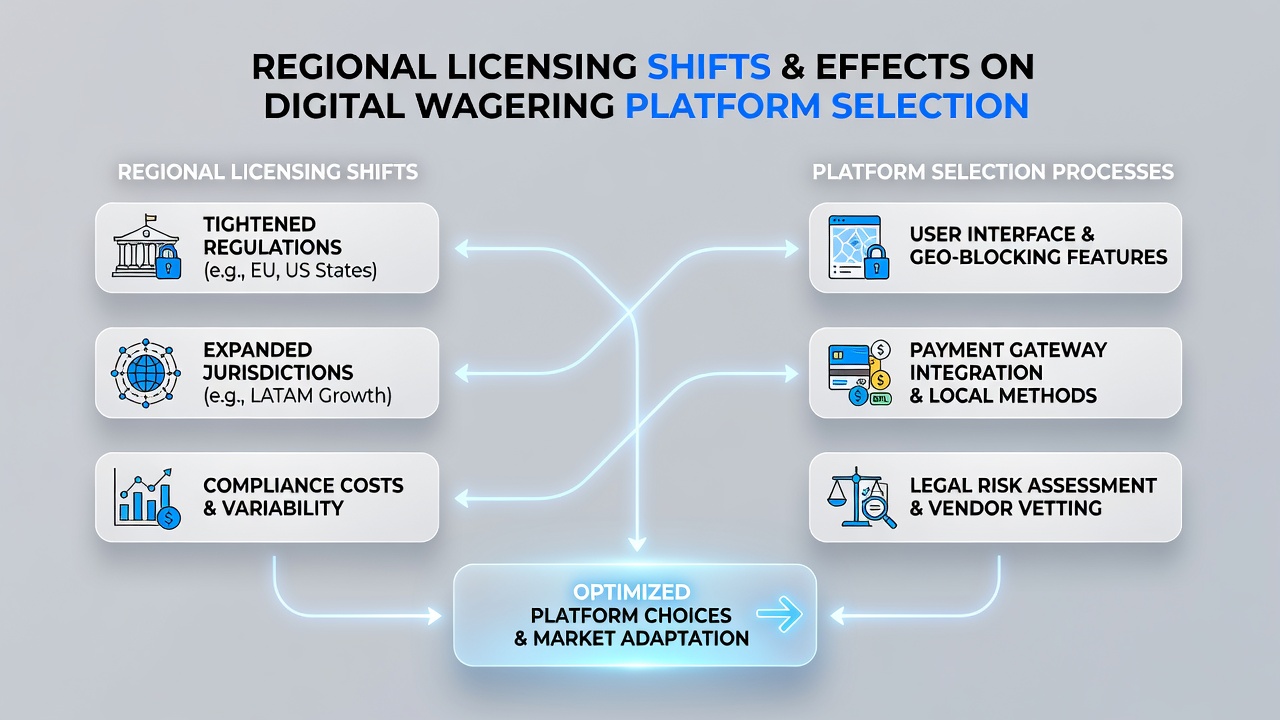
Users in these markets increasingly filter platform options based on visible licensing indicators, since regulatory bodies publish public registers that list active permits and any enforcement actions. This transparency alters selection processes because participants can cross-reference license status directly rather than relying solely on marketing claims. Platforms that display multiple regional seals often attract higher engagement rates in comparative studies conducted by academic researchers at institutions such as the University of Nevada, Las Vegas International Gaming Institute.
Impact on Operator Decision-Making and Technical Infrastructure
Technical teams at major wagering companies now integrate regional licensing data into platform architecture decisions from the earliest planning stages. Multi-jurisdictional compliance requires modular software designs that allow quick toggling of features such as age verification protocols, payment processing rules, and game content restrictions depending on the active license. Companies that invested early in flexible backend systems report smoother transitions when new regional rules emerge, whereas those with rigid legacy code face longer adaptation periods.
August 2026 saw several operators announce platform updates specifically to align with simultaneous licensing renewals in North America and parts of Europe, demonstrating how calendar-driven regulatory cycles now shape release schedules. Selection processes therefore incorporate forward-looking assessments of upcoming rule changes rather than focusing only on current requirements.
User Behavior Patterns Shift with Greater License Visibility
Public access to licensing databases has changed how participants evaluate and choose digital wagering platforms in practice. Studies compiled by the National Council on Problem Gambling indicate that users in regulated markets check license status more frequently before depositing funds, particularly when platforms operate across borders. This behavior creates competitive pressure for operators to maintain clean compliance records and to communicate licensing details clearly within user interfaces.
Platforms that fail to secure or renew regional approvals often see rapid drops in traffic from affected areas, since search engines and app stores increasingly prioritize or restrict listings based on regulatory status. The result is a marketplace where licensing breadth becomes a core differentiator during user selection rather than an afterthought.
Conclusion
Regional licensing shifts continue to redefine the criteria that guide digital wagering platform selection for both operators and users across North America, Europe, Australia, and beyond. As new rules activate in August 2026 and subsequent periods, the emphasis on jurisdiction-specific compliance, transparent licensing indicators, and adaptable technical infrastructure grows stronger. Data from regulatory bodies and research organizations show that these developments produce more structured selection processes while maintaining clear distinctions between approved and unapproved offerings in each market.