Tracing Player Journeys: Compliance Protocols and Flow Patterns in Digital Wagering Account Lifecycles
Written by Otto Simmons · Oct 26, 2026
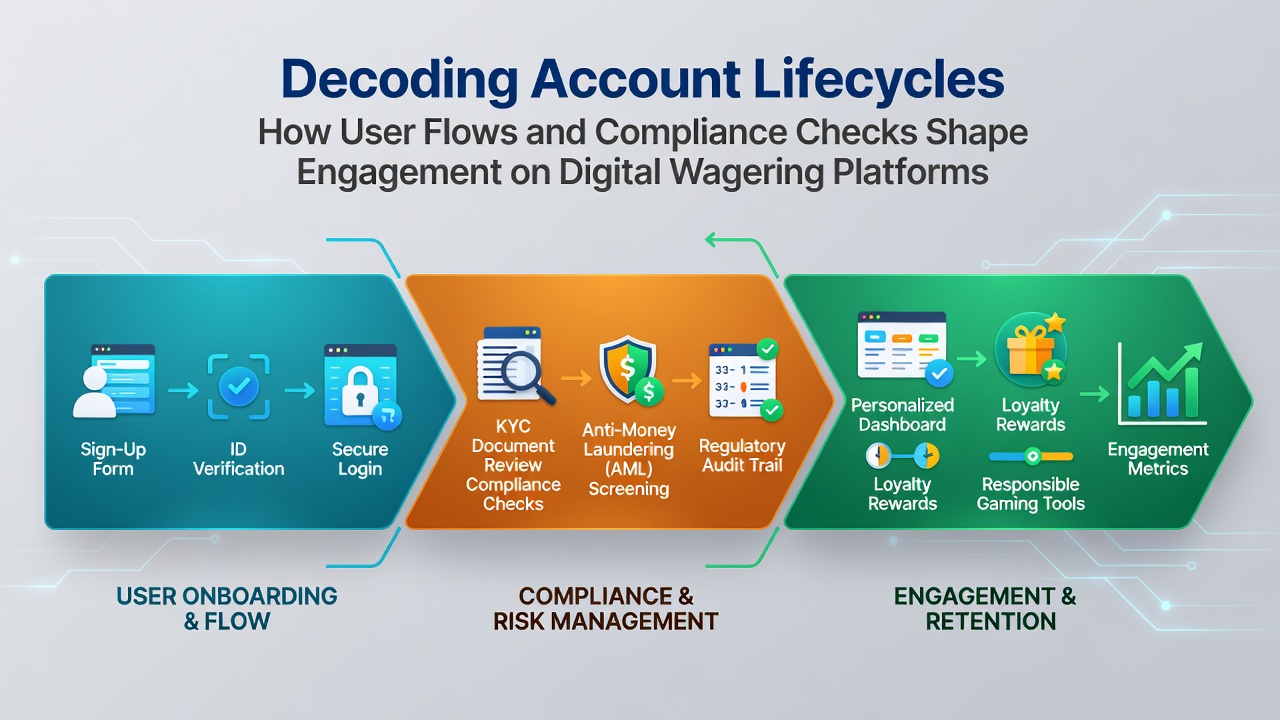
Tracing Player Journeys: Compliance Protocols and Flow Patterns in Digital Wagering Account Lifecycles
Digital wagering platforms manage player accounts through distinct lifecycle stages that begin at registration and extend through verification, funding, activity, and potential closure, while compliance protocols intersect at multiple points to shape overall engagement levels. Operators design these flows to balance regulatory demands with user retention goals, and data from industry reports shows how verification steps often determine whether new accounts progress to active betting or drop off early. Research from the University of Nevada Las Vegas highlights patterns where streamlined onboarding correlates with higher conversion rates from signup to first deposit.
Registration and Initial Onboarding Flows
Account creation typically starts with basic details such as email, username, and password, followed by prompts for age confirmation and location data that feed directly into compliance systems. Platforms integrate these elements to comply with jurisdiction-specific rules, and observers note that forms requiring immediate document uploads tend to see completion rates around 60 to 70 percent according to aggregated platform analytics. Those who complete the initial steps then encounter automated checks that cross-reference information against external databases before granting full access.
Compliance Checks During Verification
Know-your-customer and anti-money-laundering procedures activate once basic registration finishes, requiring users to submit government-issued identification, proof of address, and sometimes source-of-funds declarations. These checks occur at varying intervals depending on deposit size or withdrawal requests, and figures from the American Gaming Association reveal that enhanced due diligence triggers on roughly 15 percent of accounts during peak activity periods. Platforms that automate parts of this process report faster resolution times, yet manual reviews remain common for flagged cases that involve international addresses or high transaction volumes.
Deposit, Play, and Ongoing Monitoring Stages
After verification clears, users move into funding accounts through approved payment methods that themselves carry additional compliance layers such as transaction monitoring for unusual patterns. Engagement metrics indicate that accounts passing early checks show sustained activity over subsequent weeks, while delays in verification often lead to abandonment before any wagers occur. Ongoing monitoring continues throughout the lifecycle, with algorithms flagging potential issues that prompt further user prompts or temporary restrictions.
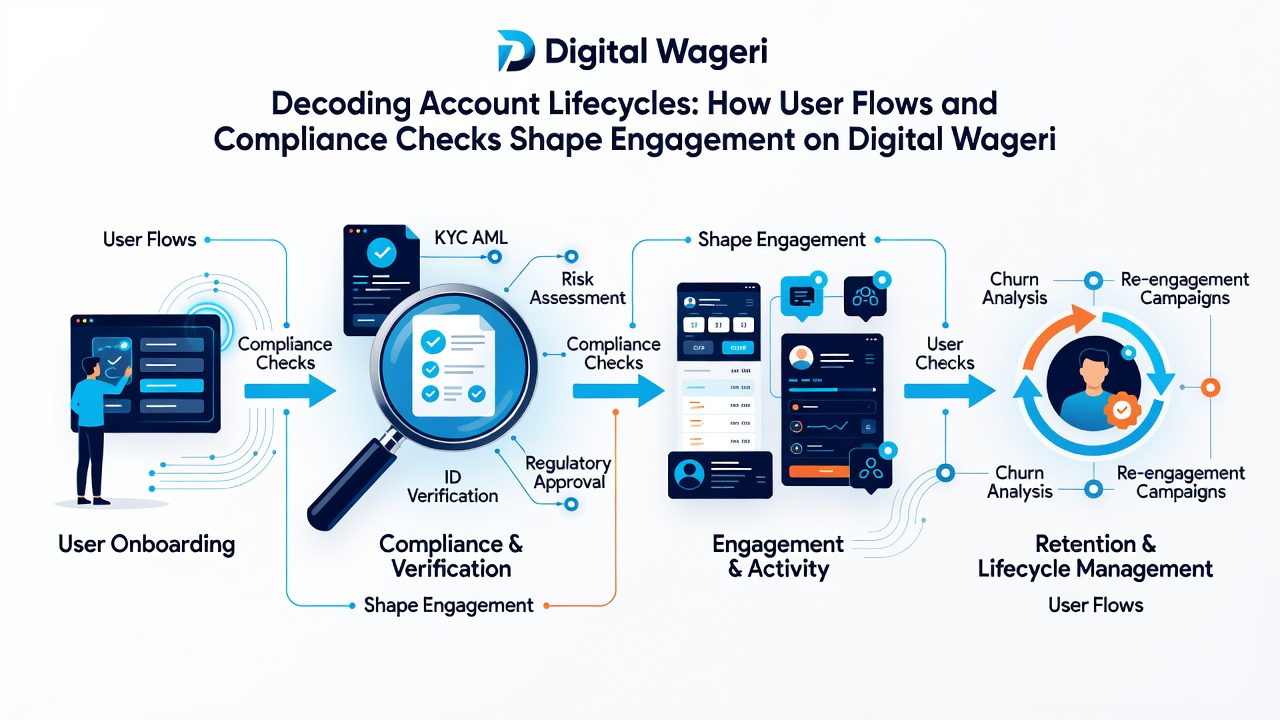
Studies published in the Journal of Gambling Studies document that platforms incorporating real-time risk scoring during play sessions maintain higher retention among verified users compared with those relying solely on periodic reviews. And in October 2026, several North American jurisdictions plan to introduce updated transaction reporting thresholds that will require platforms to adjust monitoring frequency for accounts exceeding certain activity benchmarks.
Withdrawal Processes and Account Closure Pathways
Withdrawal requests initiate another round of compliance verification that can include fresh identity confirmations or spending reviews before funds release. Data indicates that accounts with clean histories experience quicker processing, whereas repeated flags extend timelines and affect user satisfaction metrics tracked by operators. Closure options exist for voluntary exits or regulatory-mandated suspensions, and researchers have tracked how seamless exit procedures correlate with lower complaint volumes in post-closure surveys.
Regional Variations in Lifecycle Management
Platforms operating across multiple markets adapt flows to meet differing standards, such as those enforced by the Malta Gaming Authority in Europe or state-level bodies in Australia. These adaptations include region-specific document requirements and timing for checks, which in turn influence global engagement statistics. One analysis of cross-border operations found that localized compliance interfaces reduce friction and support steadier account progression rates.
Conclusion
Account lifecycles on digital wagering platforms reflect the interplay between structured user flows and layered compliance requirements that collectively determine engagement outcomes across registration, activity, and exit phases. Evidence from regulatory reports and academic examinations shows measurable effects on conversion and retention when verification processes align efficiently with operational needs. As standards evolve in coming periods, including updates scheduled for late 2026, platforms continue refining these systems to maintain compliance while supporting consistent user pathways.