Volatility's Influence on How Long Frequent Players Stay Engaged in Online Casinos
Written by Amir Wagner · Aug 11, 2026
Volatility's Influence on How Long Frequent Players Stay Engaged in Online Casinos
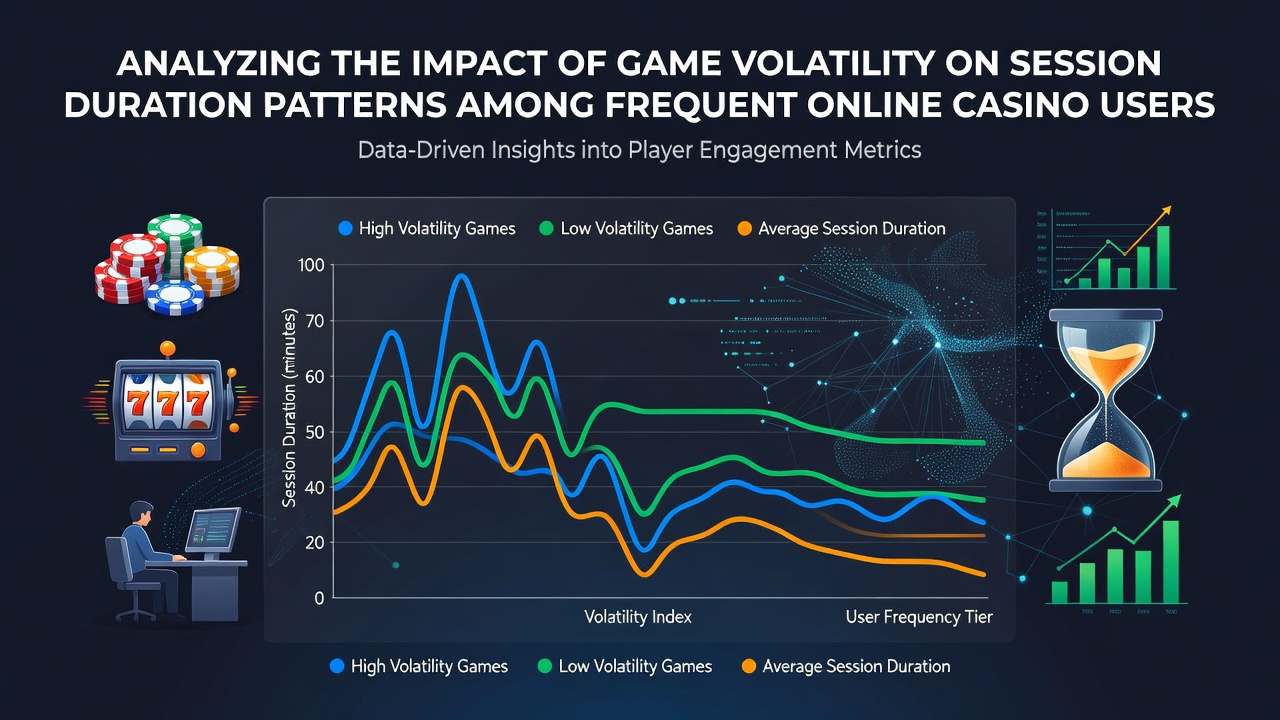
Game volatility refers to the frequency and size of payouts in casino titles, and researchers have tracked how this factor shapes the length of play sessions among regular users who log in multiple times each week. Data collected from platform analytics in mid-2026 shows that high-volatility slots produce shorter average sessions because large but infrequent wins deplete balances faster when losses accumulate, whereas low-volatility games extend playtime through steady small returns that encourage continued spins without rapid bankroll swings.
Studies conducted by academic teams at the International Gaming Institute reveal distinct patterns when they segment users by weekly activity levels. Frequent participants who favor high-volatility titles often end sessions within twenty to thirty minutes once a dry spell hits, yet the same cohort stretches sessions to forty-five minutes or more on low-volatility variants because consistent minor payouts maintain engagement and reduce the urge to cash out early.
Defining Volatility Categories and Their Session Effects
Low-volatility games deliver frequent but modest wins that keep credit meters stable, and observers note these mechanics lead to prolonged sessions as players chase incremental gains without hitting zero quickly. Medium-volatility options sit between the extremes, producing balanced payout rhythms that result in moderate session lengths around thirty-five minutes on average according to aggregated platform logs from several major operators. High-volatility titles, by contrast, feature rare large payouts that create sharp session cutoffs once initial stakes run out, with data indicating many dedicated users exit after fifteen to twenty-five minutes during losing streaks.
Platform operators have adjusted recommendation engines to match volatility preferences with observed user behavior, and those adjustments correlate with measurable changes in retention metrics tracked through 2026. One study released in August 2026 highlighted that users who rotate between volatility levels maintain longer overall monthly playtime than those locked into a single category, suggesting variety itself influences duration patterns beyond any individual game mechanic.
Patterns Observed Among Frequent Users
Analysis of anonymized session data from thousands of regular accounts demonstrates that high-volatility enthusiasts exhibit more fragmented play patterns, with multiple short logins per day rather than one extended visit. Low-volatility fans, however, cluster activity into fewer but longer blocks, often exceeding one hour when bonus features trigger repeated small wins. Researchers tracking these trends across North American and European markets found similar distributions, indicating the relationship between volatility and duration holds across different regulatory environments.
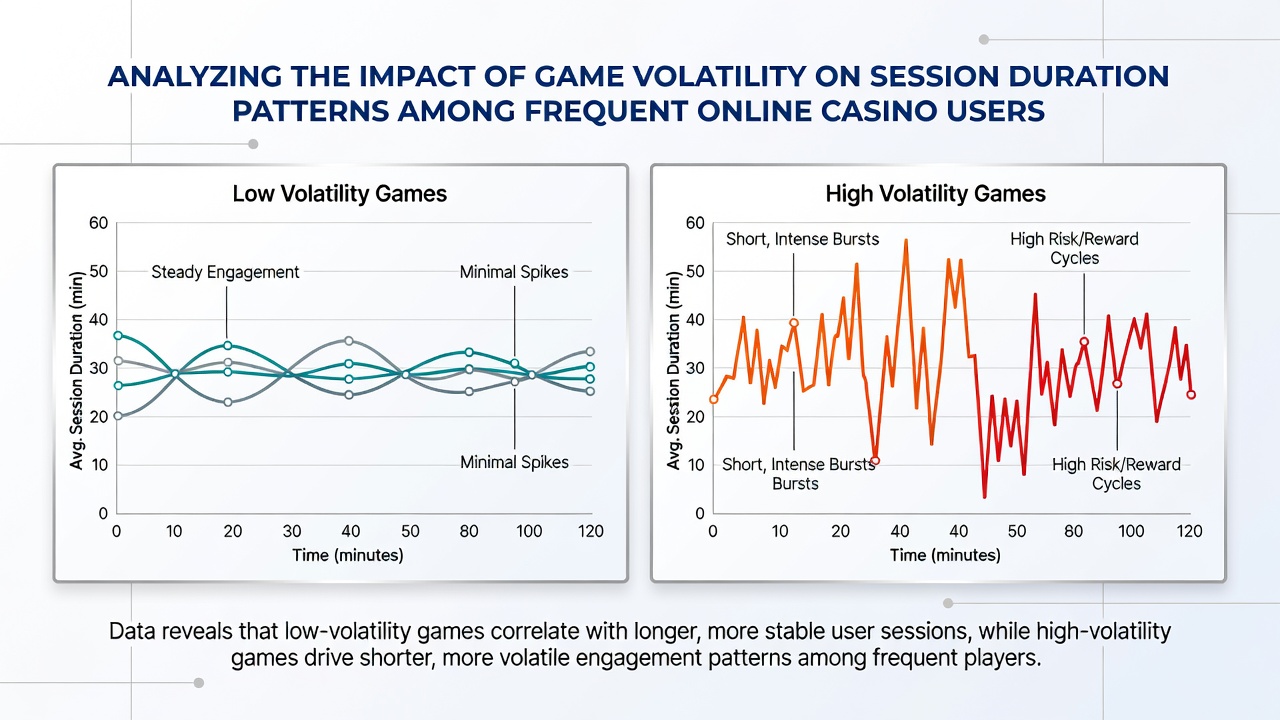
Seasonal fluctuations appear in the August 2026 datasets, where summer vacation periods coincided with increased high-volatility play among frequent users and correspondingly shorter individual sessions. The shift suggests external time availability interacts with game mechanics to alter duration, though the core volatility effect remains consistent year-round. Industry reports from the Australian Gambling Research Centre further support these observations, noting parallel behaviors in markets where real-money play data is publicly aggregated.
Measurement Approaches and Data Sources
Analysts rely on timestamped bet logs and credit balance histories to calculate session start and end points, then cross-reference those intervals against the volatility rating assigned to each title by independent testing labs. This method produces reliable duration metrics that account for both active spinning time and idle pauses between rounds. Frequent users who participate in loyalty programs supply richer datasets because their accounts link multiple devices and sessions over months, allowing clearer identification of personal volatility preferences.
Statistical models applied to these records control for deposit size, game category, and time of day, isolating volatility as the primary variable affecting length. Results consistently show an inverse relationship between volatility level and median session duration, with the steepest drop-off occurring in the highest volatility brackets. External validation comes from university-led reviews that replicate operator findings using anonymized samples shared under research agreements.
Conclusion
The connection between game volatility and session duration among frequent online casino users rests on observable payout structures and logged behavioral data rather than isolated anecdotes. Low-volatility environments extend play windows through steady returns, high-volatility titles compress them via rapid balance changes, and medium options occupy the middle ground. Continued collection of platform metrics through late 2026 will clarify whether these patterns evolve with new game releases or remain stable across user cohorts.